Cultural traditions of Vietnamese people
Người Việt Nam có nhiều nét văn hóa đặc trưng và đa dạng, nhưng sau đây là một số nét văn hóa quan trọng và phổ biến của người Việt:
Truyền thống gia đình: Gia đình đóng vai trò quan trọng trong cuộc sống của người Việt. Họ thường giữ mối quan hệ mật thiết với người thân và tuân thủ các giá trị gia đình truyền thống.
Tôn trọng tuổi tác: Người Việt coi trọng sự tôn trọng tuổi tác. Người trẻ thường phải kính trọng và nghe theo ý kiến của người lớn tuổi và người có kinh nghiệm. (Do đó người việt thường hỏi tuổi của đối phương để có cách xưng hô và cách cư xử phù hợp).
Trọng trách và lòng hiếu thảo: Khái niệm “hiếu thảo” là quan trọng trong văn hóa Việt Nam. Con cái thường có nghĩa vụ chăm sóc và tôn trọng ba mẹ, người thân khi họ già yếu (điều này lý giải tại sao ba mẹ thường muốn con cái lập gia đình và sinh con ở một độ tuổi nhất định để con cái sau này sẽ không bị đơn độc khi về già).
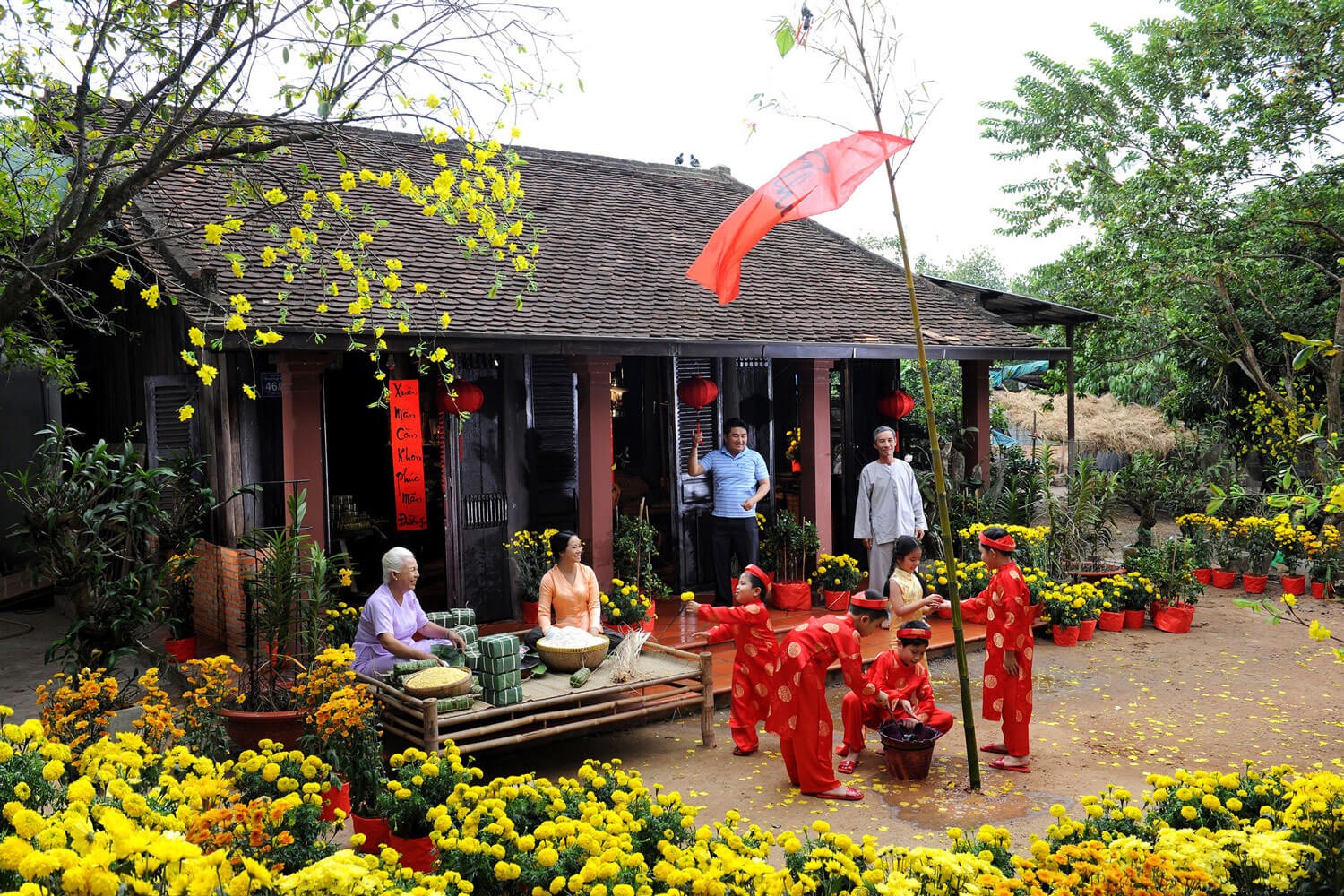
Lễ hội truyền thống: Người Việt thường tham gia vào nhiều lễ hội truyền thống như Tết Nguyên Đán, Tết Đoan Ngọ ( là Tết giữa năm), Tết Trung thu ,… và các lễ hội dân gian khác để kỷ niệm và tôn vinh tổ tiên.
Tôn giáo: Đa số người Việt Nam tuân theo các tôn giáo như Phật giáo, Công giáo, Hòa Hảo, và Cao Đài. Tôn giáo có vai trò quan trọng trong đời sống và văn hóa của họ.
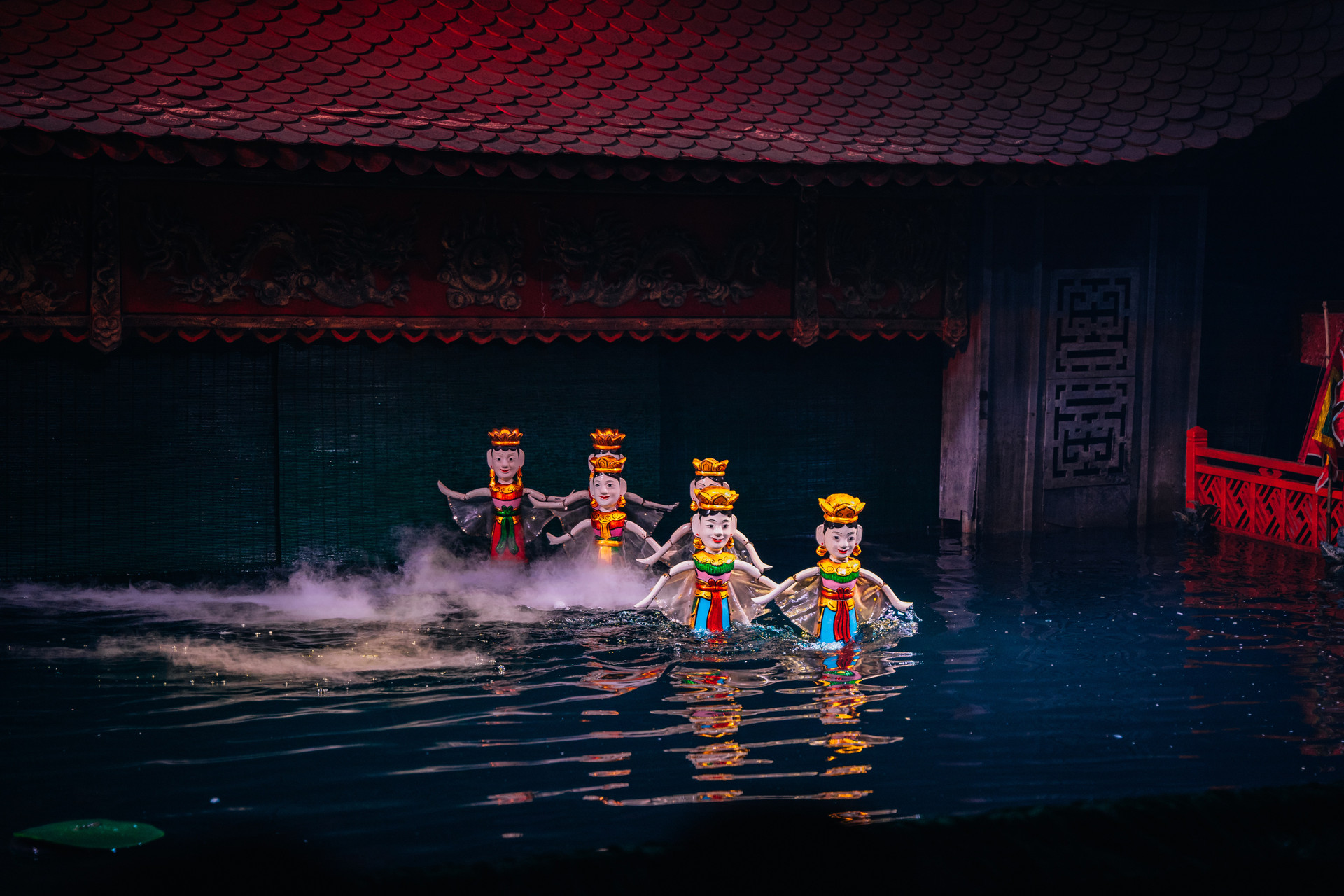
Nghệ thuật và văn hóa dân gian: Người Việt có nhiều biểu diễn nghệ thuật truyền thống như hát quan họ, chèo, và múa rối nước. Các loại nghệ thuật này thường thể hiện câu chuyện về lịch sử và văn hóa dân gian.
Ẩm thực: Ẩm thực Việt Nam nổi tiếng với các món ăn như phở, bánh mì, bún chả, và nhiều món ngon khác. Các món ăn thường được nấu và chế biến tươi ngon, có hương vị đặc trưng.
Ngôn ngữ: Tiếng Việt có vai trò quan trọng trong văn hóa Việt Nam. Người Việt coi trọng việc sử dụng ngôn ngữ đúng cách và tôn trọng tiếng mẹ đẻ.
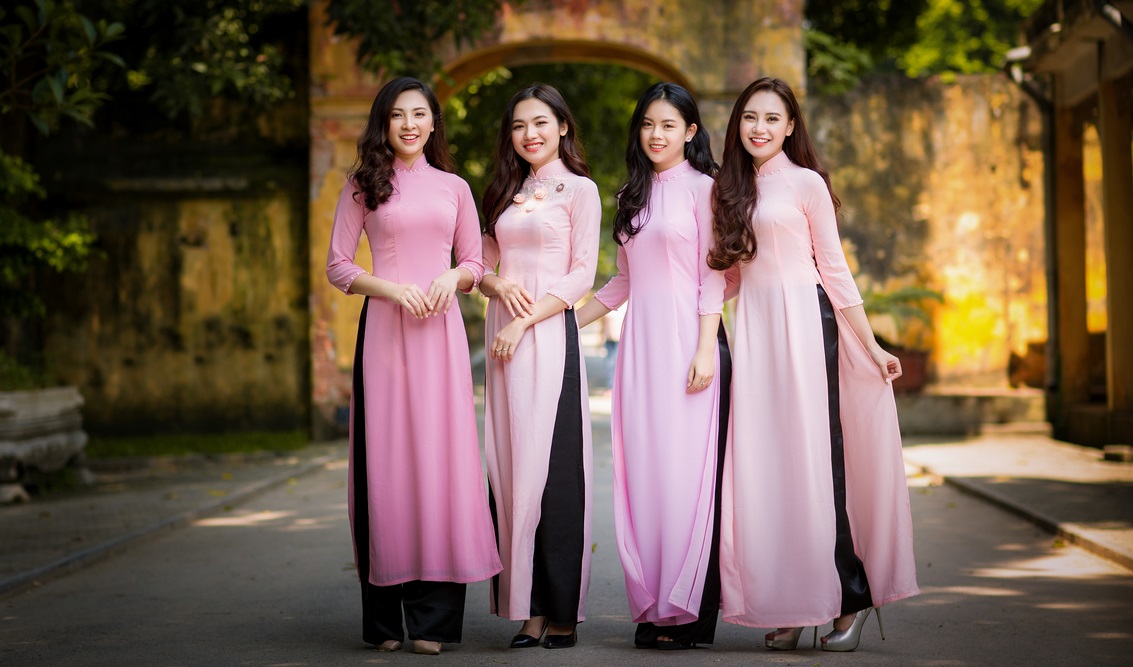
Trang phục truyền thống: Áo dài là trang phục truyền thống của người Việt , thường được mặc trong các dịp quan trọng và lễ hội truyền thống.
Lòng nhân ái và lòng hào phóng: Người Việt thường có trái tim hào phóng và thường tham gia vào các hoạt động từ thiện và giúp đỡ người khác trong cộng đồng.
CÂU HỎI VÀ TRÀ LỜI:
- Theo bài viết, truyền thống gia đình đóng vai trò như thế nào trong cuộc sống của người Việt Nam?
- Người Việt Nam coi trọng sự tôn trọng tuổi tác như thế nào?
- Khái niệm “hiếu thảo” được thể hiện như thế nào trong văn hóa Việt Nam?
- Người Việt Nam thường tham gia vào những lễ hội truyền thống nào?
- Tôn giáo có vai trò như thế nào trong đời sống và văn hóa của người Việt?
- Người Việt có những biểu diễn nghệ thuật truyền thống nào?
- Ẩm thực Việt Nam nổi tiếng với những món ăn nào?
- Tiếng Việt có vai trò như thế nào trong văn hóa Việt Nam?
- Áo dài là trang phục truyền thống của người Việt được mặc vào những dịp nào?
- Người Việt thường thể hiện sự hào phóng như thế nào?
English below:
Vietnamese culture is rich and diverse, but here are some of the most important and common cultural traits of Vietnamese people:
- Family traditions: Family plays an important role in Vietnamese life. They often maintain close relationships with their loved ones and uphold traditional family values.
- Respect for elders: Vietnamese people value respect for elders. Younger people are expected to show respect and defer to the opinions of older people and those with experience. (This is why Vietnamese people often ask the age of their counterparts to know how to address them and behave appropriately.)
- Dutifulness and filial piety: The concept of “filial piety” is important in Vietnamese culture. Children are expected to take care of and respect their parents and loved ones when they are elderly. (This explains why parents often want their children to get married and have children at a certain age so that they will not be lonely when they are old.)
- Traditional festivals: Vietnamese people often participate in many traditional festivals such as Tết Nguyên Đán (Lunar New Year), Tết Đoan Ngọ (Mid-Autumn Festival), Tết Trung Thu (Mid-Autumn Festival), and other folk festivals to commemorate and honor their ancestors.
- Religion: The majority of Vietnamese people follow religions such as Buddhism, Catholicism, Hòa Hảo, and Cao Đài. Religion plays an important role in their lives and culture.
- Arts and folk culture: Vietnamese people have many traditional art performances such as quan họ singing, chèo opera, and water puppetry. These art forms often depict stories about history and folk culture.
- Cuisine: Vietnamese cuisine is famous for dishes such as pho, bánh mì, bún chả, and many other delicacies. The dishes are often cooked and prepared fresh, with a distinctive flavor.
- Language: The Vietnamese language plays an important role in Vietnamese culture. Vietnamese people value the use of correct language and respect their mother tongue.
- Traditional dress: Áo dài is the traditional dress of Vietnamese people, often worn on special occasions and traditional festivals.
- Compassion and generosity: Vietnamese people often have generous hearts and often participate in charitable activities and help others in the community.
Questions and answers:
- According to the article, what is the role of family traditions in the lives of Vietnamese people?
- How do Vietnamese people value respect for elders?
- How is the concept of “filial piety” expressed in Vietnamese culture?
- What traditional festivals do Vietnamese people often participate in?
- What role does religion play in the lives and culture of Vietnamese people?
- What traditional art performances do Vietnamese people have?
- What dishes is Vietnamese cuisine famous for?
- What role does the Vietnamese language play in Vietnamese culture?
- On what occasions is the traditional dress of Vietnamese people, Áo dài, worn?
- How do Vietnamese people often show their generosity?